- ~ Home
- ~ The Way of St. James (Camino de Santiago)
- Camino Trip Planning Tips
Camino Trip Planning Tips
Here are my Camino trip planning tips to help you be the most prepared day-to-day pilgrimage traveler. These are the lessons I have learned that you may also find useful. But first, a little humor:
"The storm is coming whether you’re aware of it or not, and whether you’re prepared for it or not. Thank God you have a man like me in your life, a man with a variety of umbrellas for sale in an affordable range of prices.” ~ "Jarod Kintz, "This Book is Not FOR SALE"
Hopefully you can see the humor in this quote, regarding preparedness for the Camino de Santiago! Indeed, one needs to be prepared for the "storms" of the unexpected, not to mention the weather! The purpose of the pilgrimage to anywhere, even a "pilgrimage in place" at home, is to roll with and adapt to the unexpected.
🙋♀️ Why Trust Us at the Pilgrimage Traveler?
We’re not a travel agency ~ we’re fellow pilgrims! (See About Us)
We've trekked Pilgrimage Routes Across Europe since 2014!
💬 We’ve:
- Gotten lost so you don’t have to. 😉
- Followed waymarks in the glowing sunlight, the pouring rain and by moonlight. ☀️🌧️🌙
- Slept in albergues, hostels & casa rurals. Ate and drank in cafés along the way. 🛌 😴
- Created comprehensive and downloadable GPS maps and eBook Guides, full of must-have information based on real pilgrimage travels. 🧭 🗺️
- Shared our complete journeys, step by step to help YOU plan your ultimate pilgrimage and walk with your own Heart and Soul. 💙✨
Every detail is from our own experiences. Just fellow pilgrims sharing the Way. We have added a touch of spirituality, heartfelt insights and practical guidance from the road ~ offering a genuine connection to the spirit of pilgrimage. Tap into the wisdom of seasoned pilgrims!
Ultreia and Safe Pilgrimage Travels, Caminante! 💫 💚 🤍
One can never plan for every possibility, even with diligent Camino trip planning! Perhaps the best approach is the one suggested by good 'ole William Shakespeare in Henry V: “All things are ready, if our mind be so.”
Indeed, perhaps the single most important preparation we can do for the Camino de Santiago is prepare mentally. While one hopes for the best, you will assuredly stumble into situations that you could never plan for. And so it is!
We deal with whatever comes, don't we? Being mentally flexible helps us process emotions when things don't go according to plan, which will almost certainly happen!
However, Camino trip planning is still a necessity. In addition to creating a workable packing list, you need to be prepared physically and culturally for your journey. Below are what I feel are my most helpful tips, based on my personal experience.
Physical Preparedness
It goes without saying that if you have never done any long-distance hiking or walking, you may struggle on a pilgrimage if your body isn't ready—at least initially. Some start their Camino very slowly, walking short distances until they can assess their body's readiness. This is a very, very smart approach.
Others choose to try just the final 100 kilometers of a particular route, or a shorter path like the Camino Inglés. Regardless of your fitness level, it is prudent to test your abilities by walking around your neighborhood with all your gear. Wear your pack, use your poles, and break in the specific socks and boots you plan to wear. Test your gear on hiking trails to assess your stamina. You will not regret it!
Starting at least one to two months before your pilgrimage, aim for three to four short walks or hikes each week of less than 5 miles (8 kilometers). Then, include one longer walk that doubles that distance.
Gradually add distance and elevation as you go, but don't push too hard until you've assessed your body's tolerance. Be sure to rest at least two days a week, preferably on separate days.
One to two weeks before you leave, "taper" your training by reducing your mileage and dropping the long-distance walks to allow your body to fully recover. Remember, don't go too crazy! As most seasoned pilgrims advise: "Don't do a Camino before the Camino!"
The words in the following quote—"habituate yourself"—are important, reflecting the consistency you will need to succeed: “Walking is the best possible exercise. Habituate yourself to walk very far.” ~ Spoken by a sage before his time, Thomas Jefferson.
Top Camino Trip Planning Tips
While physical preparedness is a major goal, below are other tips I feel are imperative to consider each day as you walk:
- Review the Route the Night Before: This is essential if you are walking the more remote northern Caminos. There are often long stretches with no food or café bars, so you need to pack supplies accordingly. Use my downloadable Camino guides so you are sure of what is ahead. Some routes require daily advance planning!
- Make Reservations Several Days in Advance: For ultimate peace of mind, some folks reserve their entire journey ahead of time. Lately, this has become much more common. Consider the time of year (April through September are the most popular months) and the popularity of the route. The Camino Francés is the busiest, followed by the Portuguese routes. The Camino Inglés, Primitivo, and Norte are similar in popularity but see about one-third the pilgrims of the Francés.
- Use Apps for Logistics: The preferred method to reserve in Europe is Booking.com, followed by calling or messaging accommodations via WhatsApp. You will often get a quicker response via message. The beauty of this app is that it works over WiFi, so you don't necessarily need a European data plan, however, you must have a WiFi connection, which is available in almost all accommodations and bars across Europe.
- Keep Your Toenails Short: Go ahead and laugh, but I’ve heard horror stories of pilgrims ripping off toenails with their teeth because they forgot to place clippers in their packing list. Long nails hammer against the front of your boot, causing "black toes" (blood blisters under the nail), especially on steep descents. If you have toes that tend to overlap one another, long toenails will be very, very painful as the nail digs into an adjacent toe. Skip the fancy pedicure and keep them short!
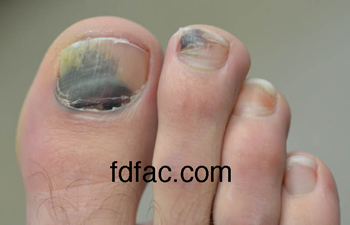 Lovely Blood Blisters Under Toe Nails
Food and Hydration
Carry food and water at all times - and indulge as you go! This is vital on less-traveled routes with less infrastructure. You never know when your energy will tap out; a high-energy snack may be all you need to keep going.
Even as an experienced hiker, I often fall prey to this. When I hike in the mountains of Colorado, I can get so intent on the trail that I forget to eat until I feel nauseous. Don't let your goal distract you from fueling!
- The Hydration Rule: Drink enough to urinate roughly every two hours.
- The "Dehydration Trap": Be careful with morning doses of café con leche; they provide a pick-me-up but can fool you regarding your actual fluid intake. The same goes for that refreshing lunchtime beer! Refill your containers whenever you pass a public fountain (fuente).
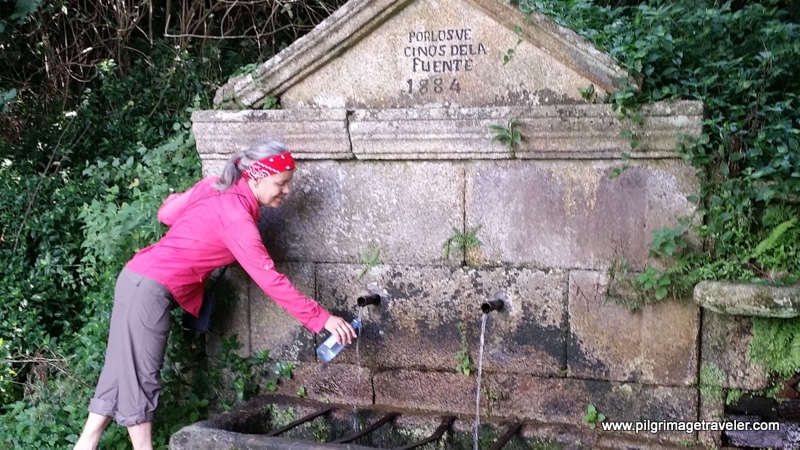 Elle Filling her Water Bottle at an Historical Fuente on the Camino Inglés
Protecting Your Valuables
Keep your valuables out of your backpack. Don’t fall prey to a stolen pack that contains everything important. Keep your passport, credit cards, and cash on your person at all times, even in the shower. I use zipper pockets in my clothes, or a small travel wallet on a string around my neck. It is too easy to set a backpack down and forget it.
Similarly, carry only enough cash for a few days. There are ATMs in almost every town of size throughout Europe. Divide your cash: keep some in an easy-access pocket in your pants/shorts/shirt and the rest in your hidden neck wallet or pouch. Never let anyone see your full "stash."
Ditch Excess Weight
I’ve seen many pilgrims stubbornly carry a too-heavy pack out of pride. As the saying goes, pride is the heaviest load of all.
If you find you’ve packed too much, use the Correos (Spanish postal service). They offer a "Paq Peregrino" service to help you box extra gear and send it to your next destination or to Santiago de Compostela, where they will hold it for up to 15 days. Prices start around €20.95 for up to 15kg or roughly €31.40 for up to 25kg. Just don't be late to pick up your box, or the post office will return it to the place where it was sent!
Alternatively, Casa Ivar's Luggage Storage offers luggage storage in Santiago for up to 60 days, a very economical option for long pilgrimages.
Spanish Culture ~ Language
For me, having traveled now to Spain many times, the Spanish Culture is the most interesting and/or difficult thing to consider in my Camino trip planning. Each time I go it does get easier, but it takes some planning, especially regarding mealtimes! (See farther below).
Even though I speak some rudimentary Spanish, Spain is nothing like the Latino culture we are accustomed to in the USA. So a little familiarizing oneself with the culture will help your adjustment go a bit smoother.
DO learn as much Spanish as possible before your trip. A little Spanish goes a long way, especially if you are planning to go on one of the more remote routes where very little English is spoken. This was so true on the high plains of central Spain along the Camino Teresiano. However, it was one of my most rewarding pilgrimages!
After considerable research, here some recommendation to try:
- The Essential Freebie: VidaLingua (Or Duolingo). Download a mobile app like VidaLingua for instant, offline access while you are physically walking. In my opinion, it is a bit better than Duolingo, with a dictionary, useful phrases, verbs and their conjugations, and a translator tool. Also you can even take a quiz to test your abilities! But many people prefer Duolingo. Try them both and compare - they are free so why not!
- Practice Real Trail Scenarios on Italki:
Don't let the first time you speak the language out loud be at a chaotic pilgrim check-in desk. Use italki to book incredibly affordable ($5–$10/hr) live conversation sessions with native speakers. You can literally ask your tutor to roleplay checking into an albergue, ordering a menú del día, or explaining a foot blister to a village pharmacist.
These apps make it almost imperative that you buy an international data plan when you go to Spain. It will come in so handy, because someone can type or say their sentence in Spanish for you and the translator will translate it into English. If you desire to be connected, I highly recommend the Roamless eSIM. After many trials of other plans, this is by far the best one I have found.
Spanish Culture ~ The Mealtime Challenge
Siesta time and how it affects one's ability to get food when one is extremely tired and hungry can be an ongoing challenge!
Meal times are very different than what we in the USA (and many other countries) are accustomed to, so be forewarned! If you think you can roll into town at anytime and get any type of food you want, think again, because it just isn't so!
When I was traveling in Spain many years ago with my 80 year old mother-in-law, the idea of 3 square meals at 8 a.m., 12:00 noon and 6 p.m. was non-existent. She demanded this schedule! It was the most exasperating time of my life! I vowed never to return to Spain again! (At least not with my mother-in-law.)
Yet here I am, under different circumstances, with an adjusted attitude and I do just fine! It's that mental preparation again, and surrender to a different way of being! All within the pilgrimage traveler's realm, isn't it? True pilgrims adapt instead of demand, don't they?
- Desayuno (Breakfast): Usually before 10:00 a.m. Often just a café con leche and tostada (toast). A meager fare for a walking pilgrim! Especially if you are low-carb, protein junky like me!
- Almuerzo (Second Breakfast): Between 10:00 and 12:00, where the usual fare is coffee, juice, toast, or the ubiquitous bocadillo (baguette sandwich). We always stop for a second breakfast and once in awhile we were lucky enough to find something hot, like tortilla (Spanish version of omelette but full of potatoes and shaped like a pie), but mostly it was more tostada or another pastry.
- La Comida (Lunch): The main meal, usually between 2:00 and 4:00 p.m. Many shops close for siesta during this time as the restaurants open. If you don't eat during this time, you may not find a full meal again until 8:00 or 9:00 p.m.!
- Then there is the "snack," the Merienda, usually taken between 5:00 and 8:00 or 9:00 p.m. This can be a beer and a tapa (pintxo in the Basque country), or a piece of cake (torta) and of course, coffee! In some areas, the café/bars serve rather large "raciones" which I often felt was large enough for my dinner. However, I don't do as well when I drink a lot, so finding food at this time is paramount for me. I would get somewhat dehydrated on the Camino and just one strong Spanish beer would knock me for a loop! But indeed, there are some interesting tapas and this could serve as your dinner, at an earlier hour.
- La Cena (Dinner): Starts at 9:00 or 10:00 p.m. It is typically a lighter meal, though restaurants still offer hearty options. This is the time when of course, most pilgrims are rolling into bed! The best option seems to be getting the large lunch, or Comida in the afternoon. Even if you do have to walk a bit afterwards.
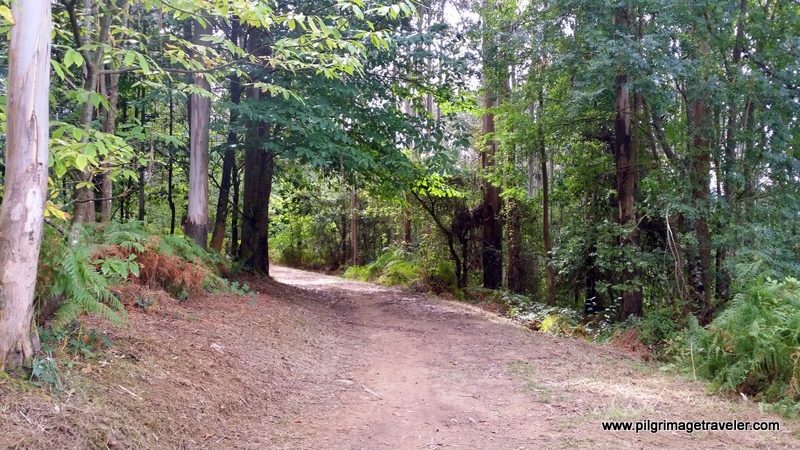 The wonderful forest path that wanders deep into rural Galicia on the Camino Inglés
Spanish Culture ~ Celebrations!
I have yet to encounter a more celebrating culture than the Spanish one. They are late night revelers and if you are a light sleeper or an early riser, it is imperative that you adapt. Getting angry about all the partying and noise will do absolutely nothing for you, except ruin your own experience of the Camino. So please, include this as part of your mental/emotional Camino trip planning.
Especially in the seaside towns, Madrid, and any sizable town including Santiago de Compostela, expect to encounter lots and lots of noise for most of the night, if not all night!
There are many Spaniards on the Camino, especially during their summer and holidays, and it doesn't faze them to stay up late partying and still walk the Camino the next day! I always marvel at their fortitude.
Update your packing list accordingly to include an eye mask and the best quality ear plugs. I believe the contoured eye masks (you can open your eyes with them on and your eyelashes don't rub) are the best, and the silicone-type ear plugs are the best. If you want to see my complete Camino packing list, click here.
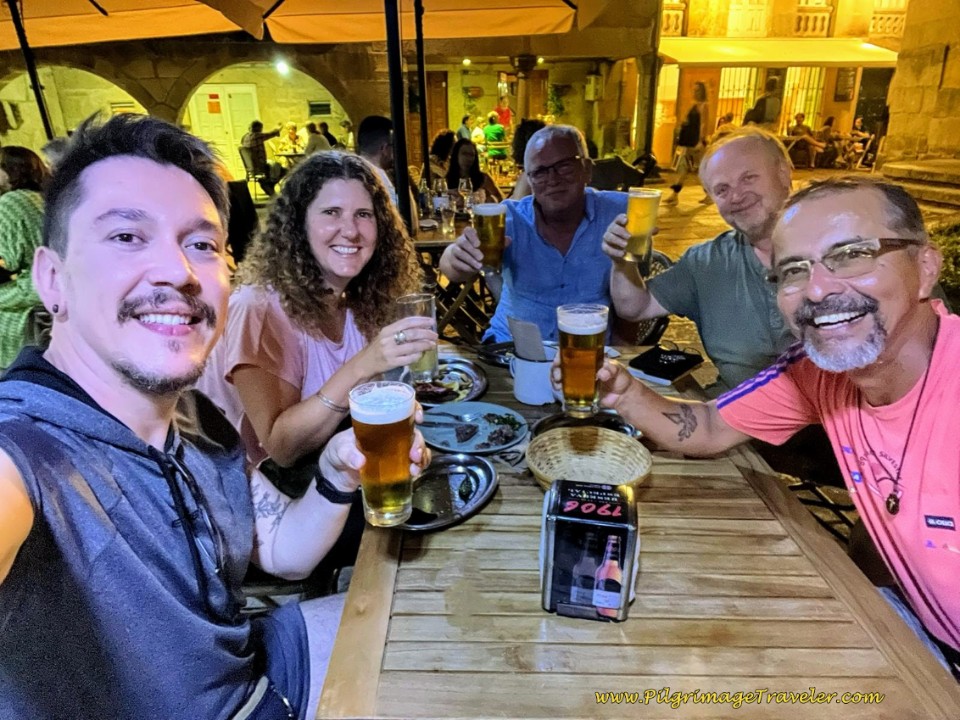 Celebrating Pilgrims
Spanish Culture ~ Time Zones
Because the Spaniards are a late-night culture, it seems to me that they chose intentionally a western-most time zone so it stays dark as long as possible in the morning! I never verified this assumption with any facts, for sure, but anecdotes from many locals seems to confirm it is a real thing.
You can read online that they have such a late time zone because General Francisco Franco changed the clocks to align with Nazi Germany in 1940. Because of this they are 1-2 hours behind what they would be normally. So instead of changing the time zone, they left it be and adjusted accordingly!
Because of this, many, many pilgrims get up in the dark to walk early, leaving before other pilgrims. This is part of the bed race, I know, along very popular routes and during popular walking months.
I have done many pilgrimages in September and October, where it does not get light until about eight o'clock in the morning. This is very late for me, who after years of reporting to a 7 a.m. shift as a nurse, has been conditioned to be an early morning person.
I however, don't bother leaving early in the morning before daybreak. This is because I usually book private accommodations about two days in advance so there is no bed race for me, and it is impossible to take my journaling photos in the dark.
Also, I found out that even with a head lamp, it was too nerve-wracking for me to try to find the waymarks in the dark. I have always been the leader in the planning department and I did NOT want to lead my companions in walking extra, unnecessary kilometers because we missed a waymark. It is easy enough to miss them in the daylight!
Spanish Friendliness
All of the Spaniards I have ever met, both on and off the Camino, have been delightful! With my Tarzan Spanish I can manage to keep an elementary conversation. I chatted with one delightful Spanish lady in a Moroccan restaurant on a day tour from Gibraltar to Tangier. She validated her party lifestyle and how it is repeated on a daily basis. Amazing and totally foreign to me!
Is it any wonder that tapas were invented? Supposedly, the masses would get too drunk on booze alone, so bars started to serve food on little plates to sit on top of the glass, that created a "lid" of food, or tapa! This was supposed to keep them more sober!
All my Spanish Camino friends were similarly delightful. And the local countrymen on the Way were very, very helpful pointing the way, giving us information and offering food at times.
Who could ask for a more wonderful, supportive community? This is the Camino at its best. If it suits your nature, make it part of your Camino trip planning as well.
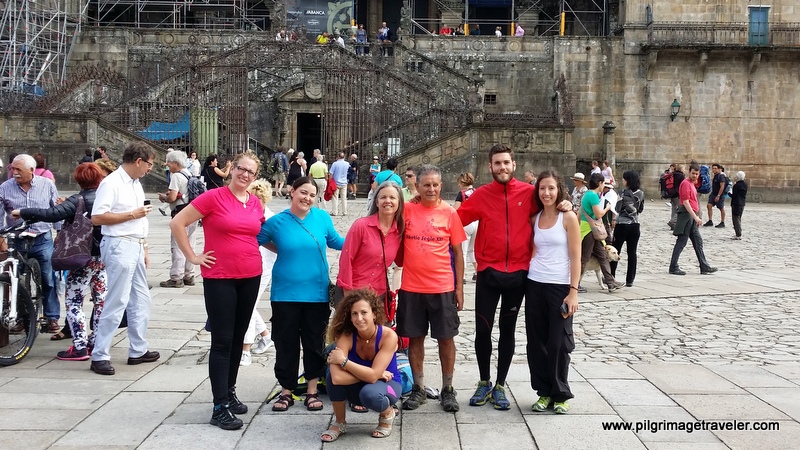 My Camino Inglés Pilgrim Family
Pilgrim Families
One of the cultural aspects of the Camino is that you WILL end up with certain people, your "Camino Family." People on a common goal just tend to migrate to one another. I love this about the Camino.
You may just find love if you are looking (some have), or your new best friend. It has been so much fun for me to stay in touch with folks from around the world. The Camino brings people together!
You may NOT love this community and that is OK too. If you chose to stay disconnected, beware the ever-present curious who would like very much to get to know you and your business. Don't forget about this phenomenon in your own Camino trip planning. Prepare a polite answer to the curious, like "I am on a silent journey today. Blessings to you and your Camino."
The Final Piece: The Spirit of the Pilgrimage Trail
There is one final layer of preparation that isn't about what is in your pack, but what is in your heart.
Walking a pilgrimage is different from a standard hiking holiday. You are participating in a thousand-year-old tradition, and with that comes a unique "social contract" between you, your fellow pilgrims, and the local communities that host you.
For a spiritual compass, I recommend the Prayer of O Cebreiro. The heart of the prayer reminds us that the journey is as much internal as it is external. It is a commitment to stay open to the road, to accept the sun and the rain with equal grace, and to see every stranger as a friend you haven't met yet.
"Even though I had traveled all the roads, crossed mountains and valleys from east to west, if I have not discovered the freedom to be myself I have not gotten anywhere." ~ Opening Paragraph of the Prayer of O Cebreiro
In addition, we follow a set of cultural etiquettes that keep the trail sustainable and the community spirit alive:
- The Power of "Buen Camino": This isn't just a greeting; it’s a blessing. Whether you are passing a local farmer or a struggling walker, these two words bridge every language barrier.
- Albergue Grace: Communal living requires a special kind of kindness. This means keeping your gear tidy, being mindful of noise after 9:00 pm and before 6:00 am, and always being ready to share your extra piece of bread or a blister bandage with a neighbor.
- Respecting the "Local" in Local Business: Remember that the villages you walk through are people’s homes. We strive to leave no trace, to shop at the small family-run tiendas, and to remember that we are guests in their daily lives.
- Patience Over Pace: Things move slower in the countryside. Embracing the wait for a café con leche or a slow check-in at a hostel is part of the practice of letting go of your "home" tempo.
By arriving with both your logistics and your etiquette sorted, you ensure that your pilgrimage is a blessing—not just for you, but for the trail itself.
Salutation
May your Camino be blessed with personal awareness and fulfillment, and may your own preparations help steer you through the unknown. Pilgrimage travelers are emotionally and mentally flexible and are those who discern their own appropriate Camino trip planning from their experiences and the experiences of others!
More Articles on Santiago de Compostela and the Camino
Please Consider Showing Your Support
Many readers contact me, Elle, to thank me for all the time and care that I have spent creating this informative website. If you have been truly blessed by my efforts, have not purchased an eBook, yet wish to contribute, I am exeedingly grateful. Thank you!
Search This Website:
The Pilgrimage Traveler Digital Guides
Our Guides Help You:
~ Know what to expect each day!
~ Locate historic sites along the Way!
~ Know where you are in your journey!
~ Discover a quote from the sages, for your daily reflection on the journey!
Click on a Photo Below to Get Your Copy.
A most popular alternative on the Central Route of the Camino Portugués!👇
The Portuguese Routes are rapidly gaining in popularity, especially the section from Lisbon! Plan to walk this one soon, before it is no longer a quiet experience!👇
Our most popular Portuguese guide! 👇
The most historic of the Portuguese Caminos ~ not to be missed!👇
The spiritual adventure of a lifetime, following in the footsteps of St. Teresa of Ávila!👇
The amazing mountain route alternative, the Camino Sanabrés, from Granja de Moreruela on the Vía de la Plata!👇
The most incredible mountain scenery on this camino from Leon to Oviedo!👇
The shortest of the caminos, but not easy!👇
The very first, Original Way from Oviedo to Santiago!👇
The pilgrimage to the "End of the World" ~ The perfect add-on to your camino!👇
All Banners, Amazon, Roamless and Booking.com links on this website are affiliate links. As an associate of these companies, the Pilgrimage Traveler website will earn from qualifying purchases when you click on these links. We have used and love all of our product recommendations and believe you will too! We sincerely thank you!

🙋♀️ Why Trust Us at the Pilgrimage Traveler?
We’re not a travel agency ~ we’re fellow pilgrims! (See About Us)
We've trekked Pilgrimage Routes Across Europe since 2014!
💬 We’ve:
- Gotten lost so you don’t have to. 😉
- Followed waymarks in the glowing sunlight, the pouring rain and by moonlight. ☀️🌧️🌙
- Slept in albergues, hostels & casa rurals. Ate and drank in cafés along the way. 🛌 😴
- Created comprehensive and downloadable GPS maps and eBook Guides, full of must-have information based on real pilgrimage travels. 🧭 🗺️
- Shared our complete journeys, step by step to help YOU plan your ultimate pilgrimage and walk with your own Heart and Soul. 💙✨
Every detail is from our own experiences. Just fellow pilgrims sharing the Way. We have added a touch of spirituality, heartfelt insights and practical guidance from the road ~ offering a genuine connection to the spirit of pilgrimage. Tap into the wisdom of seasoned pilgrims!
Ultreia and Safe Pilgrimage Travels, Caminante! 💫 💚 🤍
Follow Me on Pinterest:
Find the Pilgrimage Traveler on Facebook:

Shroud Yourself in Mystery, along the Via de Francesco!
Walk in the Footsteps of St. Francis, and Connect Deeply with the Saint and to Nature in the Marvelous Italian Countryside!
Need suggestions on what to pack for your next pilgrimage? Click Here or on the photo below!
Carbon Trekking Poles ~ My Favorites!
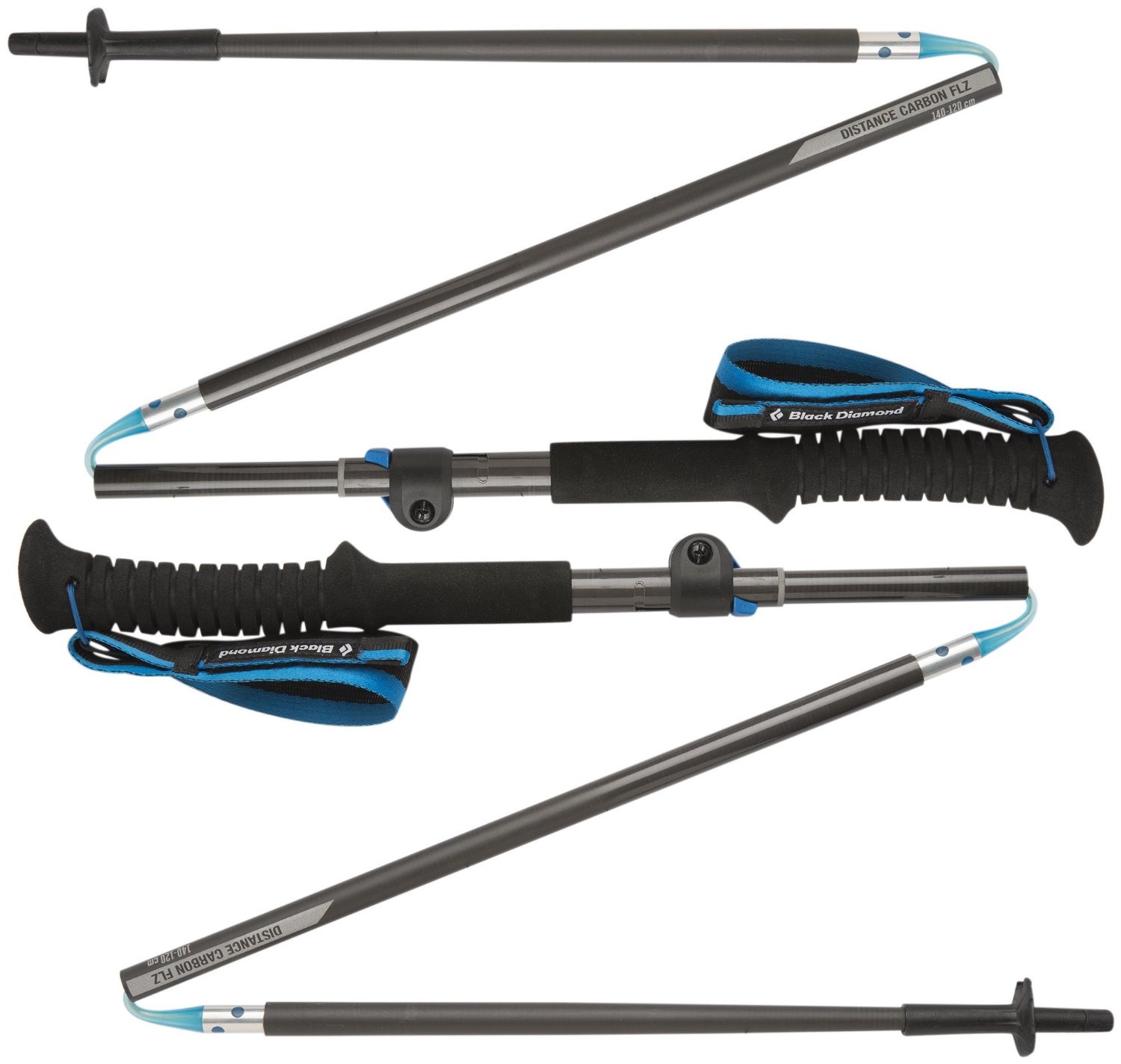
Carbon fiber construction (not aluminum) in a trekking pole makes them ultra lightweight. We like the Z-Pole style from Black Diamond so we can hide our poles in our pack from potential thieves before getting to our albergue! There are many to choose from! (See more of our gear recommendations! )
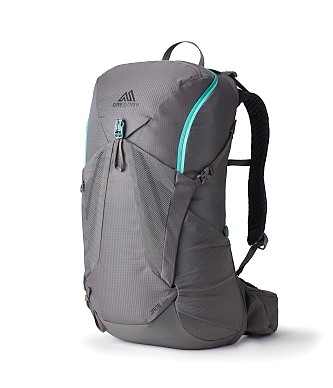
Gregory BackPack ~ My Favorite Brand
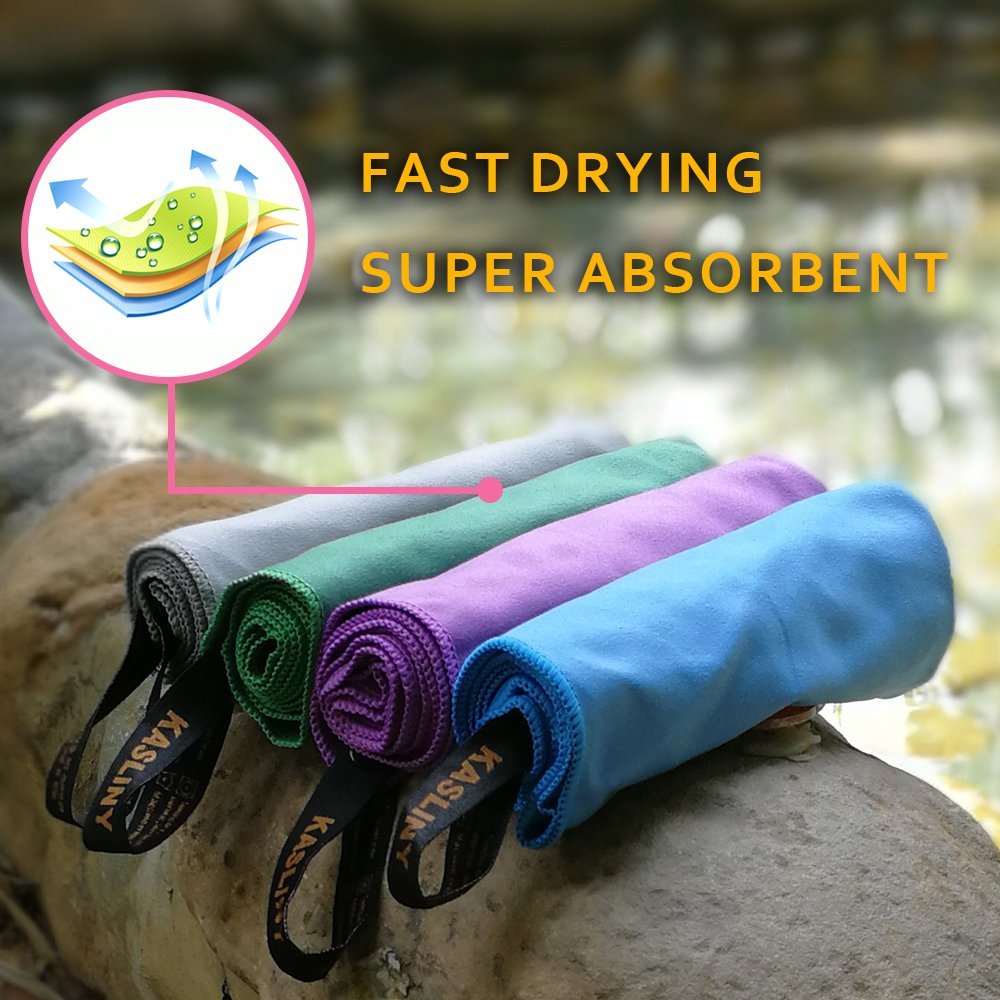
Do not forget your quick-dry microfiber towel!